How to Choose a Desentupidora in São José dos Campos SP
How to Choose a Desentupidora in São José dos Campos SP
If you have ever stood in a flooded kitchen at 11 p.m. or watched water back up through a floor drain, you already know that the hardest part is not the clog itself. It is finding someone who will actually show up, bring the right machine, and charge what they quoted. That is why the conversation around a reliable desentupidora em São José dos Campos SP has shifted recently: residents and building managers are no longer comparing only price, but response time, equipment, and whether the company can handle a main sewer line instead of just a sink.
What changed is mostly practical. The city keeps growing toward the outskirts, older buildings in the center still run on decades-old clay and cast-iron pipes, and condominiums now ask for documentation before letting any technician into the utility area. A company that answers the phone fast but arrives with a hand auger will solve a slow shower drain and fail on a grease-blocked restaurant line. So this is less a list of names and more a way to read the market and pick the right crew for the job in front of you.
The Local Background That Shapes Every Service Call
São José dos Campos sits in the Paraíba Valley, and its plumbing problems follow the city’s own history. Central neighborhoods have mixed residential and commercial buildings where the same vertical stack serves apartments and ground-floor shops. When a restaurant pours grease into that shared line, the backup appears three floors up, and the first person to call is usually the resident who has no idea what caused it. Understanding that shared responsibility is half of choosing a provider.
The other half is geography. A team based on the far side of the city can take twice as long to reach a building in a different zone during rain or rush hour. When you search for a desentupidora São José dos Campos, ask where the crew actually departs from and whether the quoted arrival window is realistic for your address. A local operation that knows the streets will beat a call center that dispatches from another municipality.
Older Pipes, Newer Buildings, Different Tools
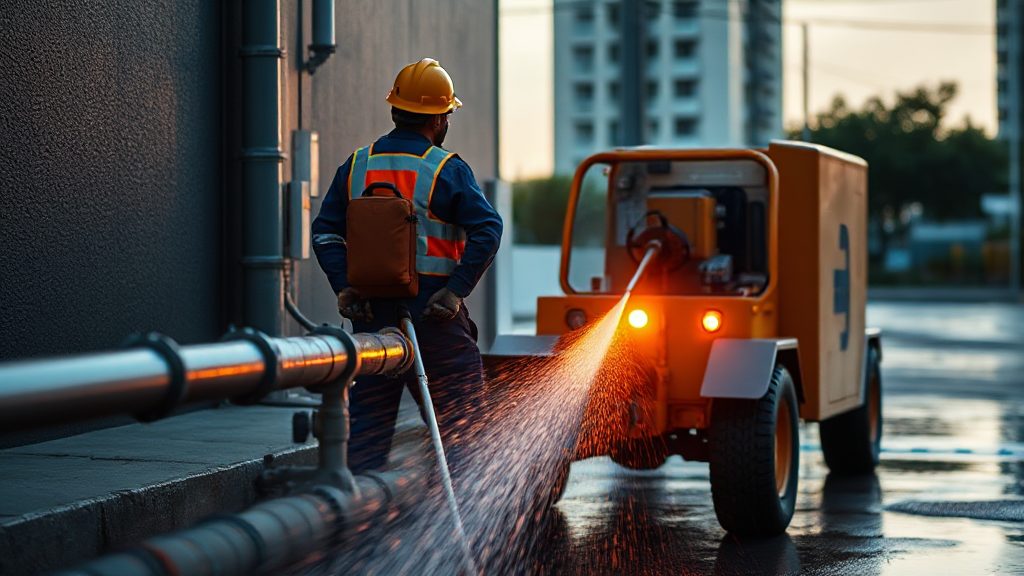
A 1970s house with clay tiles under the garden needs a gentler approach than a 2015 condominium with smooth PVC. High-pressure water jetting is excellent for grease and roots in sturdy lines but can damage fragile, already-cracked pipes if the pressure is not adjusted. A technician who asks about the building’s age before starting is showing you that they understand the difference.
This is also where camera inspection matters. Sending a small camera down the line tells you whether the blockage is grease, roots, a collapsed section, or a foreign object. Without that step, a crew may clear the drain today and leave you with the same call next month. Ask whether inspection is included or offered as an add-on, and get the answer before work begins.
Comparing the Main Service Types in Plain Terms
Most people call everything “unclogging,” but the tools and the price differ a lot. The table below is a simple prose-style comparison of what you are actually buying when you book each service, so you can match the method to the symptom instead of guessing.
| Service | Best for | What to expect |
|---|---|---|
| Manual or electric auger | Sinks, toilets, short branch lines | Fast, lower cost, limited reach; good for a single fixture |
| Hydro jetting | Grease, scale, roots in main lines | High-pressure water scours the full pipe wall; needs a truck and access point |
| Camera inspection | Repeat clogs, suspected collapse | Shows the cause on screen; often paired with jetting |
| Septic tank pumping | Properties outside the sewer network | Scheduled removal of sludge; prevents backup and odor |
| Emergency 24h callout | Night, weekend, or active flooding | Higher rate for off-hours; priority is stopping the overflow |
Reading that table, you can see why a quote given over the phone without knowing the pipe type or the symptom is almost meaningless. A responsible company asks a few questions first: where is the backup, how many fixtures are affected, is there a cleanout, and when did it start. Those answers decide whether you need a thirty-minute auger job or a half-day jetting visit.
What a Fair Quote Usually Includes
A clear quote names the service, the equipment, the number of access points, and whether disposal of removed material is included. It also states the callout fee separately from the work itself. If a provider refuses to put those items in writing, treat that as a warning sign rather than a negotiating tactic.
For condominiums, add the question of who signs the authorization and whether the company provides a service report afterward. Building managers increasingly need that document for maintenance records and to show which unit or line caused the problem. A crew that photographs the before-and-after and leaves a short written summary is worth more than one that simply drives away.
What to Check Before You Let a Crew Start
Before anyone opens a cleanout, confirm three things: the company’s identification, the agreed price, and the plan if the first method fails. Legitimate teams arrive uniformed, in a marked vehicle, and can explain in plain language what they are about to do. If the technician cannot tell you which line they are working on or where the access point is, pause the job.
It also helps to protect your own property. Move valuables away from the work area, clear access to the cleanout, and ask the crew to use floor protection if they are working indoors. These small steps prevent the second emergency, which is water or debris damage after the clog is already gone.
Questions That Separate Professionals From Improvisers
- Do you inspect the line before and after the work?
- Is the price fixed for this job, or can it change once you open the pipe?
- What happens if the blockage returns within a few days?
- Do you handle septic tanks and main sewer lines, or only fixtures?
- Can you provide a written report for the building administration?
A company that answers these without hesitation is usually the one that also answers the phone at 2 a.m. The point of asking is not to trap anyone. It is to find out whether the operation is set up for emergencies or only for easy daytime jobs.
Emergency Versus Scheduled Maintenance
Emergency work is reactive: water is rising, and the goal is to stop it fast. Scheduled maintenance is proactive: the line is slow but not blocked, and the goal is to avoid the emergency altogether. Both matter, but they are priced and staffed differently. A provider built for 24-hour callouts keeps a crew and equipment ready overnight, which is why the off-hours rate is higher.
For restaurants, small hotels, and condominiums, the smarter long-term move is a maintenance plan. Having the main line jetted and inspected on a schedule costs far less than closing a business for a day because the grease trap overflowed. If you already have a trusted desentupidora São José dos Campos SP contact saved, ask whether they offer recurring visits and what interval they recommend for your type of property.
For a single-family home, maintenance is simpler. Avoid pouring grease down the sink, use strainers in showers and sinks, and keep tree roots away from the outdoor line. Those habits reduce how often you need to call anyone at all, and when you do, the job is smaller and cheaper.
Seasonal Patterns Worth Knowing
Heavy rain puts pressure on the public network, and during those weeks backups are more likely even in lines that were fine before. If your property has a backwater valve, check that it works before the rainy season. If it does not, that is a maintenance item, not an emergency waiting to happen.
My Recommendation After Weighing the Options
If I were helping a friend choose, I would say this: pick a company that answers the phone with a real person, asks about your pipes before quoting, and can send a camera and a jetting truck rather than only a hand tool. Price matters, but the cheapest callout that fails and forces a second visit is the most expensive option in the end. Look for clear written quotes, uniformed crews, and a report you can keep.
For most households and buildings in the region, the practical answer is to save one reliable contact before you need it, confirm they cover your neighborhood, and ask about both emergency response and scheduled maintenance. That single step turns a stressful 2 a.m. search into a two-minute phone call, and it is the real difference between a good and a bad experience with any desentupidora in São José dos Campos SP.